Beskrivelse
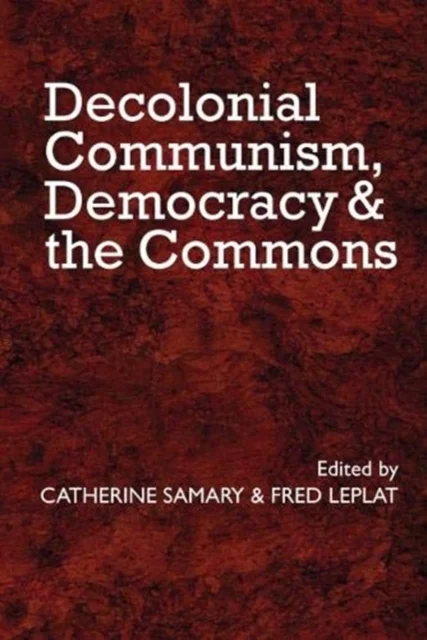
Did communists develop another model of Socialism in the 1960s and 1970s – `a decolonial communism’? Do struggles and debates on the construction of socialism, in Yugoslavia and elsewhere, show a path to democracy and commons?Against the backdrop of deepening inequalities with the introduction of `market socialism’ in the mid-1960s, worker and student protested against a lack of respect for socialist values and for self-management rights. Distinguished contributors review past and present experiences and reconsider discussions in the light of current thinking.:* In Yugoslavia past and present, through the lens of Commons * In Portugal and Chile, and Cuba in 1970s as essays in workers’ control. Catherine Samary uses a `decolonial’ framework to consider relations of domination that can involuntarily mark political and intellectual relations – including those identifying with Marxism. Radical and egalitarian self-managed relations can mature only if they are at the heart of a real socialist system, and are not isolated in one country only.